Get Chimney Cap Replacement
Chimney cap replacement services help property owners prevent water damage, animal intrusion, and debris buildup by replacing or installing protective covers on chimney tops.
Property owners considering chimney cap replacement often recognize the importance of protecting their homes from weather elements, pests, and debris. A properly maintained chimney cap helps prevent water damage, reduces the risk of animal intrusion, and can improve overall chimney performance. Exploring local contractors who specialize in chimney cap services can ensure that the work is handled efficiently and effectively, giving peace of mind that the job meets the specific needs of the property.
Planning a chimney cap replacement project involves comparing options among local service providers to find the right match for individual property requirements. By reviewing the credentials and experience of local contractors, property owners can make informed decisions about who is best suited to handle the work. Continuing to explore available options can help identify the most suitable professionals to ensure a durable and reliable chimney cap installation.
- homeowners may need chimney cap replacement when their existing cap becomes damaged or missing. - property owners might seek new chimney caps to prevent downdrafts and improve venting efficiency. - residents could require chimney cap replacement after severe weather causes damage or dislodges the cap. - those installing a new chimney or fireplace often need a properly fitted cap for safety and performance. - individuals noticing debris or animals in the chimney may need to replace or upgrade their chimney cap.
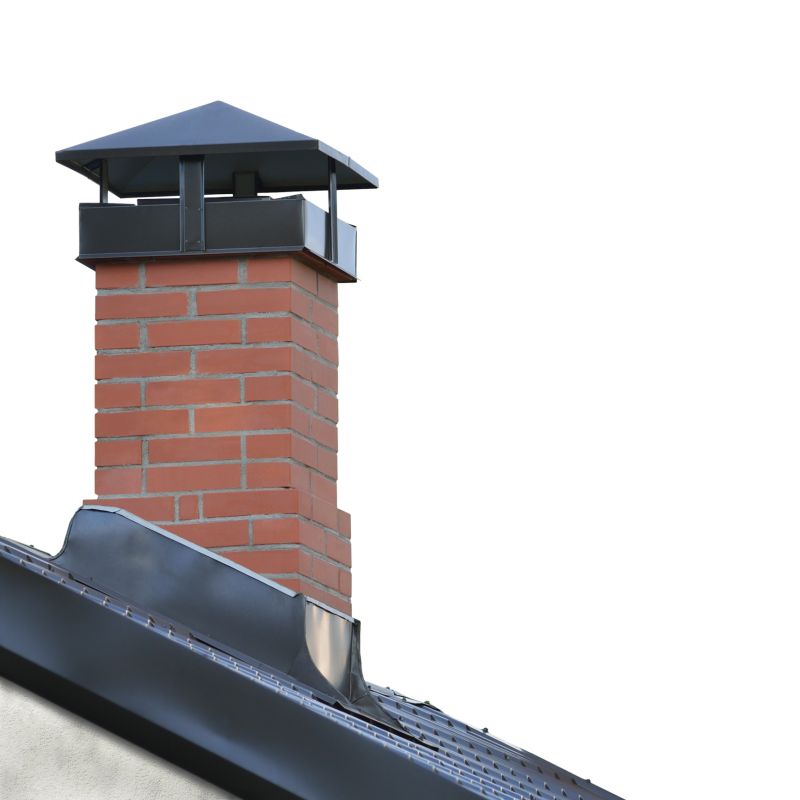
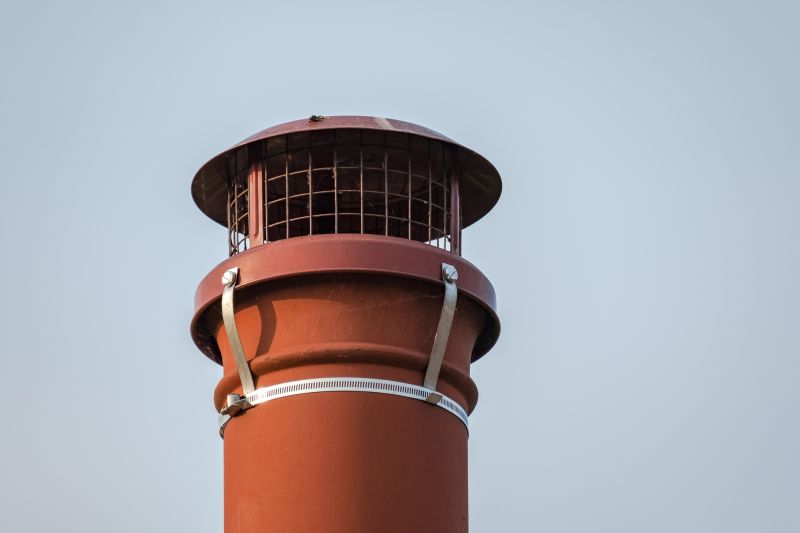
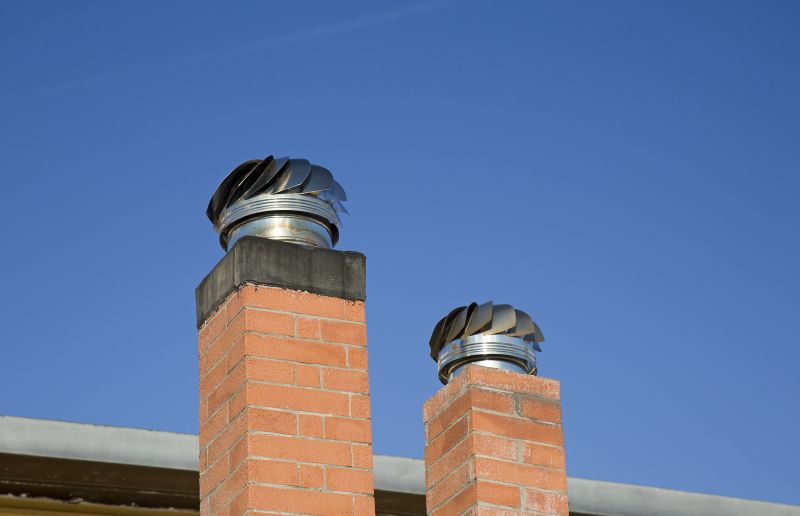
Chimney cap replacement services involve removing an old or damaged chimney cap and installing a new one to ensure proper protection. The chimney cap sits atop the chimney stack and serves as a barrier against debris, animals, and water intrusion. When a chimney cap becomes worn, rusted, or damaged, it can compromise the chimney’s integrity and lead to potential issues. Skilled service providers can assess the condition of the existing cap and replace it with a suitable, durable option that fits the specific chimney design, helping to maintain the safety and functionality of the chimney system.
This service is essential for addressing common problems such as water leaks, animal entry, and debris buildup. A damaged or missing chimney cap can allow rainwater to enter the chimney, which may cause internal damage or lead to mold growth. Animals like birds or squirrels can also find their way into the chimney, creating blockages or nesting inside. Additionally, debris like leaves and twigs can accumulate, increasing the risk of chimney fires or reducing airflow. Replacing a faulty chimney cap helps prevent these issues, protecting the property and ensuring the chimney operates safely and efficiently.
Chimney cap replacement is often needed for various property types, including single-family homes, historic residences, and multi-unit buildings. Homes with wood-burning or gas fireplaces rely heavily on a properly functioning chimney cap to prevent water damage and animal intrusion. Commercial properties or rental units with chimneys may also require this service to maintain safety standards and prevent costly repairs. Regardless of the property size or style, a quality chimney cap can significantly extend the lifespan of the chimney system and reduce the risk of damage caused by environmental elements or pests.
Homeowners should consider chimney cap replacement when noticing signs such as rusted or broken caps, water stains around the chimney, or evidence of animal activity. If the chimney cap appears loose, corroded, or has missing parts, it’s a clear indicator that replacement may be necessary. Regular inspections by local contractors can help identify issues early, ensuring that the chimney remains protected from water damage, pests, and debris. Contacting experienced service providers can help determine whether a new chimney cap is needed and ensure the installation is performed correctly to safeguard the property and chimney system.
The overview below groups typical Chimney Cap Replacement projects into broad ranges so you can see how smaller, mid-sized, and larger jobs often compare in your area.
In many markets, a large share of routine jobs stays in the lower and middle ranges, while only a smaller percentage of projects moves into the highest bands when the work is more complex or site conditions are harder than average.
Smaller Repairs - typical costs for minor chimney cap repairs or replacements generally range from $100 to $300. Many routine jobs fall within this middle range, depending on the extent of damage and material costs.
Standard Replacement - replacing a chimney cap with a new, standard model usually costs between $250 and $600. Local contractors often find that most projects in this range are straightforward and common.
Larger or Custom Projects - more complex replacements involving custom designs or larger chimney setups can range from $600 to $1,200. Fewer projects reach into this higher tier, but they are common for specialized or unique installations.
Full Chimney Cap Replacement - complete overhauls or extensive work can cost $1,200 or more, especially if additional masonry or structural work is needed. These larger projects are less frequent but are handled by experienced local service providers.
Actual totals will depend on details like access to the work area, the scope of the project, and the materials selected, so use these as general starting points rather than exact figures.
Chimney Repair Projects - These projects involve assessing and fixing chimney structures, requiring similar skills in inspection, safety planning, and working with masonry materials.
Flue Liner Installation - Installing or replacing flue liners demands precise measurements and understanding of venting systems, akin to installing chimney caps for proper protection.
Chimney Crown Repair - Repairing or replacing chimney crowns involves masonry work and sealing techniques that are closely related to the skills used in cap replacement.
Masonry Restoration - Restoring damaged or deteriorated chimney masonry shares planning, material handling, and structural assessment skills with cap replacement projects.
Venting System Upgrades - Upgrading or modifying chimney venting involves understanding airflow and safety considerations similar to those in cap installation.
Chimney Waterproofing - Applying waterproofing treatments to chimneys requires surface preparation and sealing techniques comparable to those used in cap replacement services.
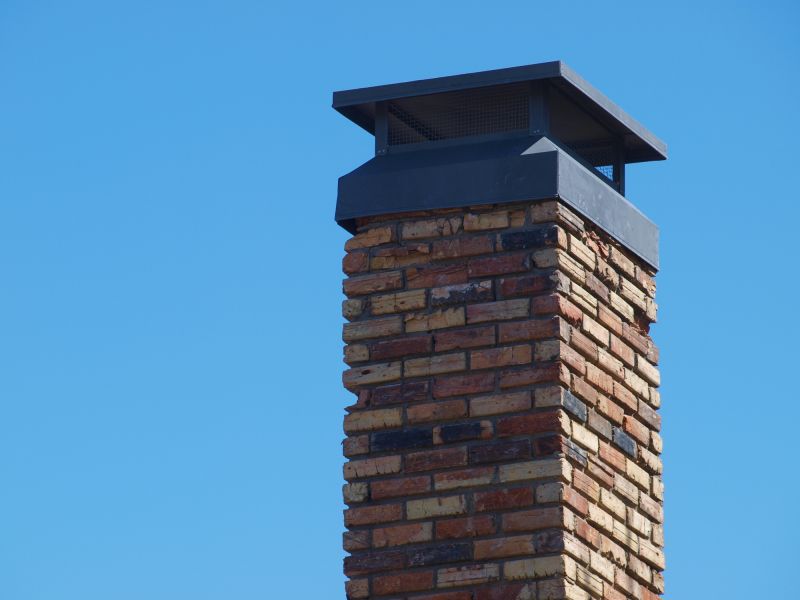
When comparing service providers for chimney cap replacement, it’s important to evaluate their experience with similar projects. Homeowners should seek out local contractors who have a proven track record of completing chimney cap replacements or related masonry and roofing work. An experienced professional will be familiar with the specific requirements of different chimney types and materials, helping to ensure the job is done correctly and efficiently. Asking about previous projects or requesting examples of completed work can provide insight into their familiarity with chimney cap replacements and their ability to handle the unique aspects of the job.
Clear, written expectations are essential when selecting a chimney cap replacement service. Homeowners should look for providers who can offer detailed descriptions of the scope of work, including the materials used, the process involved, and any necessary preparations. This transparency helps prevent misunderstandings and ensures everyone is aligned on what the project entails. Clear communication about expectations also facilitates smoother interactions and allows homeowners to make informed decisions based on the scope and approach of each local contractor.
Reputable references and good communication are key factors to consider during the comparison process. Service providers with a solid reputation often have a history of satisfied clients who can vouch for their professionalism and quality of work. Homeowners should ask for references or reviews from previous customers to gauge the reliability and craftsmanship of each local pro. Additionally, responsive and clear communication from the contractor can indicate their level of professionalism and willingness to address questions or concerns throughout the project. Choosing a provider who values open dialogue and has positive references can help ensure a successful chimney cap replacement.
Property owners use Chimney Cap Replacement services for practical projects around their homes and businesses. This guide focuses on everyday jobs and straightforward project options.
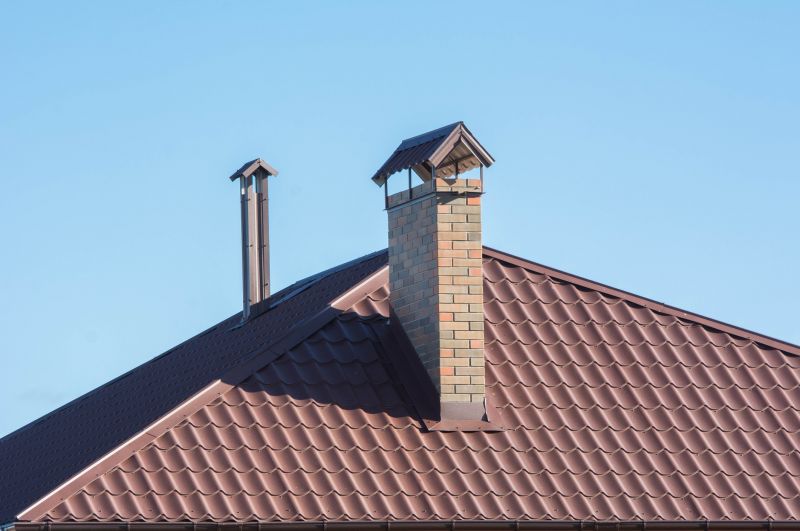
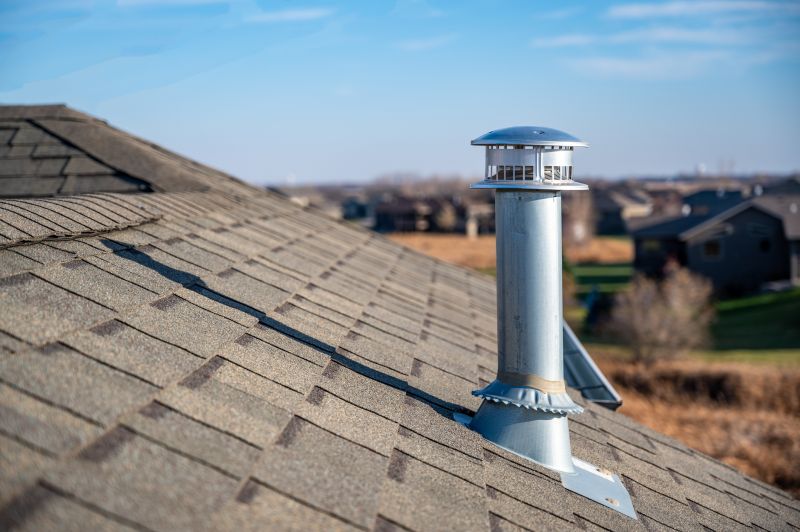
Chimney cap replacement is a common service sought by property owners dealing with issues like damaged or rusted caps, which can lead to pests, debris, or water intrusion into the chimney. Over time, exposure to the elements may cause caps to deteriorate, making replacement necessary to maintain proper chimney function and protect the property. Local contractors specializing in chimney services can assess the condition of existing caps and recommend suitable replacements to ensure the chimney remains secure and functional.
Homeowners may also look for chimney cap replacement after experiencing weather-related damage or noticing signs of wear and tear, such as missing or loose caps. Properly functioning chimney caps help prevent animals from entering and blocking the flue, while also reducing the risk of water damage to the chimney structure. Service providers in the area can handle these projects efficiently, offering solutions that help preserve the integrity of the chimney and the safety of the home.
What are signs that a chimney cap needs replacement? Indicators include rust, damage from weather, or if debris frequently blocks the chimney opening. A damaged cap can lead to increased risk of debris buildup or water intrusion.
Why should I consider replacing my chimney cap? Replacing a worn or damaged chimney cap helps prevent animals, debris, and water from entering the chimney, which can protect the chimney structure and improve its function.
How do local contractors handle chimney cap replacements? Experienced service providers typically inspect the existing cap, remove any debris or damage, and install a new cap that fits the chimney properly to ensure effective protection.
Are there different types of chimney caps available? Yes, there are various styles and materials, such as stainless steel, copper, or galvanized steel, designed to suit different chimney types and aesthetic preferences.
What should I consider when choosing a chimney cap replacement? It's important to select a cap that fits the chimney opening correctly, is made from durable materials, and provides adequate protection against weather and pests.
Chimney Cap Replacement - Replacing a damaged chimney cap helps prevent debris buildup that can cause blockages and fire hazards.
Chimney Cap Replacement - Upgrading to a new chimney cap can improve ventilation and reduce downdrafts during seasonal changes.
Chimney Cap Replacement - Ensuring a proper fit of the chimney cap can keep out animals and pests that may cause damage or create safety issues.
Chimney Cap Replacement - Regularly replacing worn or rusted caps can extend the lifespan of the chimney and maintain safe operation.
If you are thinking about Chimney Cap Replacement for a property, this guide is meant to help you understand the work, the typical project types, and how different options might fit your plans.
When you are ready, you can use the quote form on this page to share a few details about your project. From there, local pros can review the basics and respond with options that match what you have in mind.